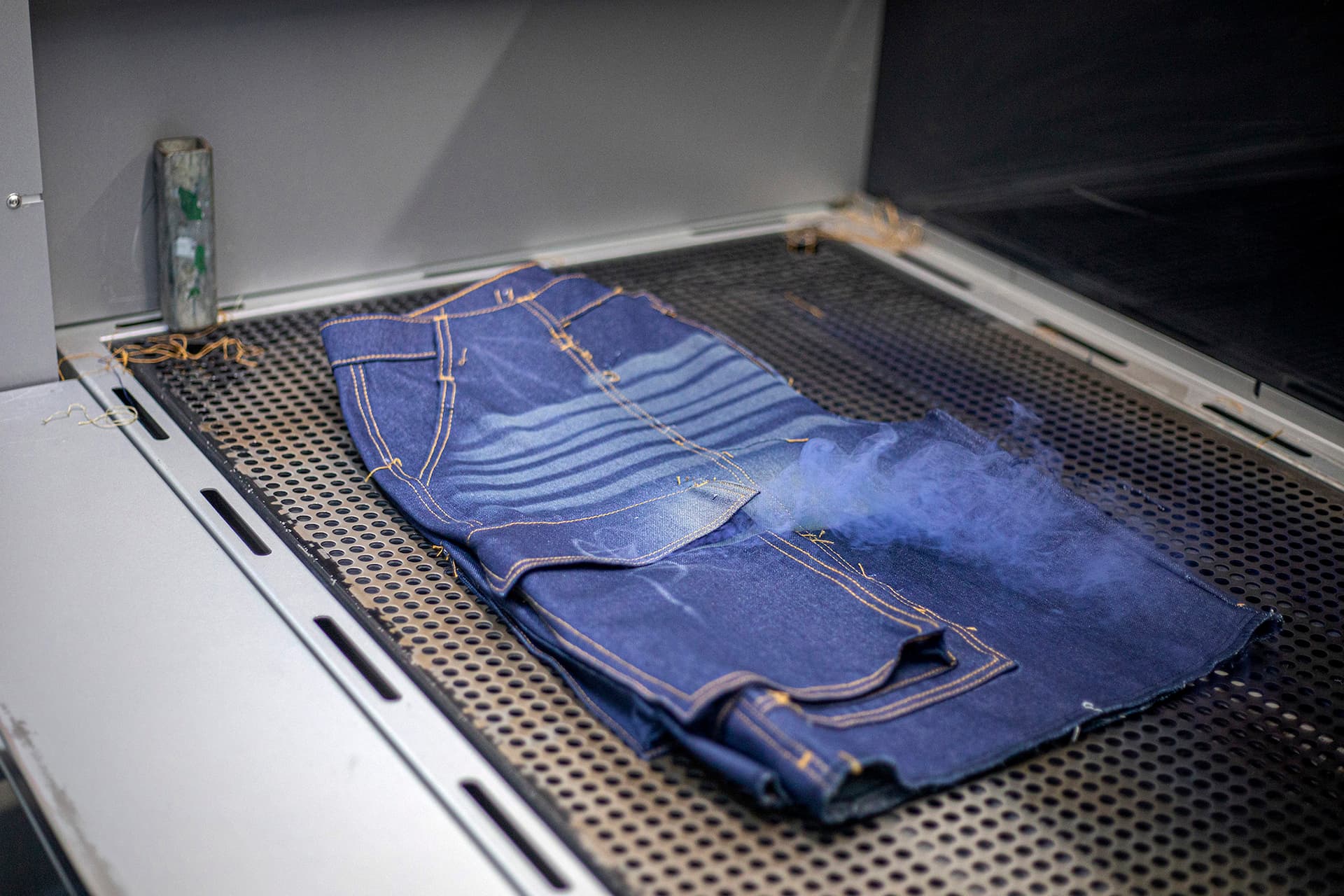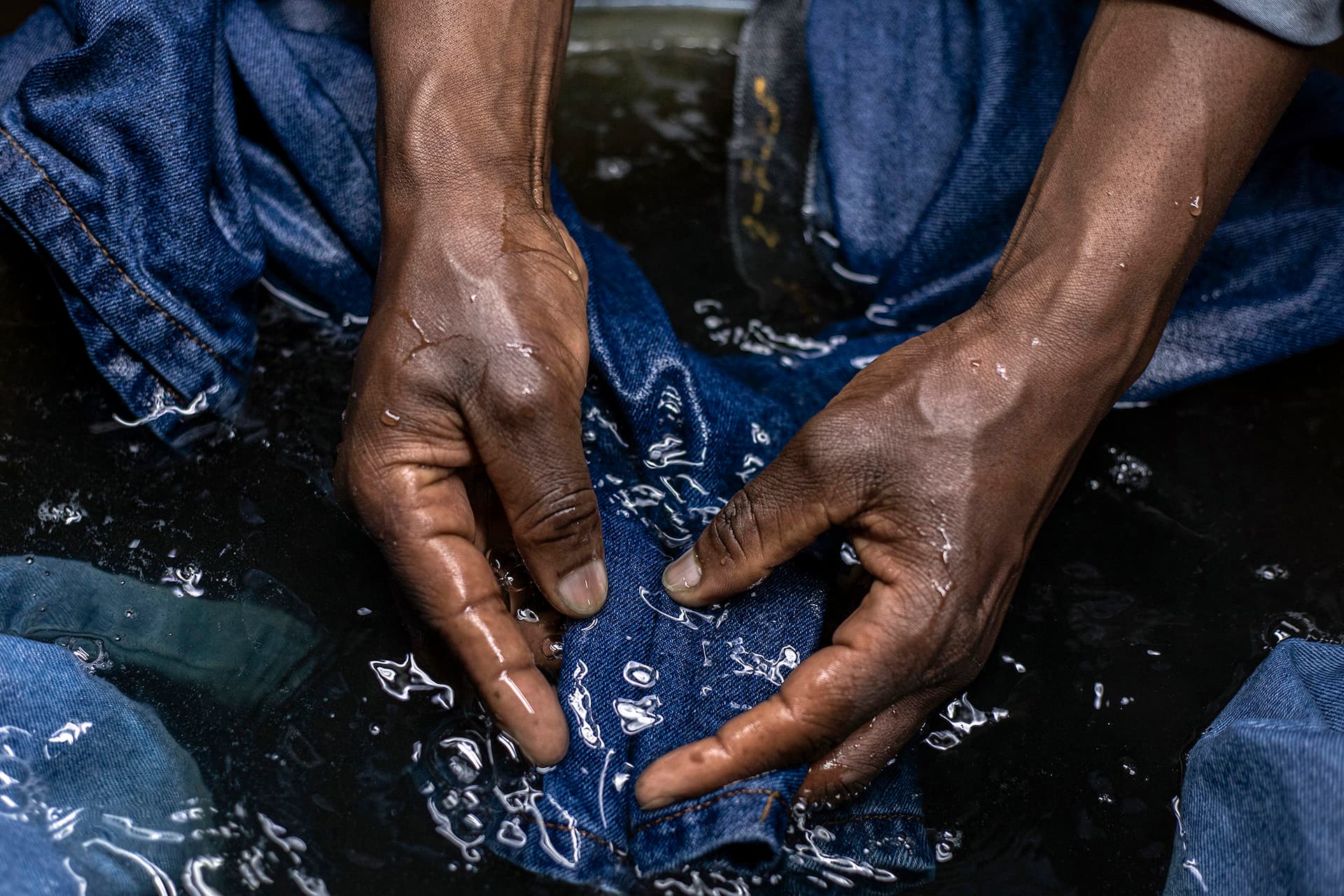
Denim enzyme washing, also known as "bio-stoning," is a textile finishing technique that uses enzymes to give denim a unique look and feel. This process can achieve effects similar to traditional stone washing, resulting in a softer feel or a popular vintage, weathered appearance. The weathered effect is primarily produced by using cellulase enzymes, often combined with mechanical agitation like steel balls. These enzymes work by breaking down fabric fibers and releasing dye, leading to a faded look and a softer texture.
Enzyme washing is particularly effective for indigo denim, often yielding better and more consistent results, including a whiter and bluer colour contrast, compared to traditional stone washing. This technique relies on biotechnology, specifically bioprocessing or bio-finishing. While enzyme washing can be more costly than stone washing, its benefits often outweigh the expense.
In today's world, there's a growing emphasis on sustainable and eco-friendly practices. Enzymes used in this process are fully biodegradable and non-toxic, making them an increasingly important solution. This enzyme treatment has successfully replaced various chemical and mechanical treatments, leading to improved fabric quality and comfort.
A Brief History of Enzyme Washing
The environmental impact of traditional stone washing in the early 1980s spurred the search for more sustainable alternatives. The first enzyme wash method was introduced in Europe in 1989, with its adoption spreading to the United States in subsequent years.
Notably, Novozymes developed a spray technique that applies enzymes directly to denim fabric, significantly reducing water consumption in the enzyme washing process. This innovation highlights why enzyme washing is now an integral part of the textile industry.
Advantages of Enzyme Washing
Using cellulase enzymes offers numerous benefits:
- Sustainability: Cellulase enzymes are a more sustainable alternative to stone washing and acid washing. Traditional methods produce more wastewater and residual pumice stones that need to be eliminated.
- Reduced Fabric Damage: Enzyme treatment minimises damage to the denim fabric.
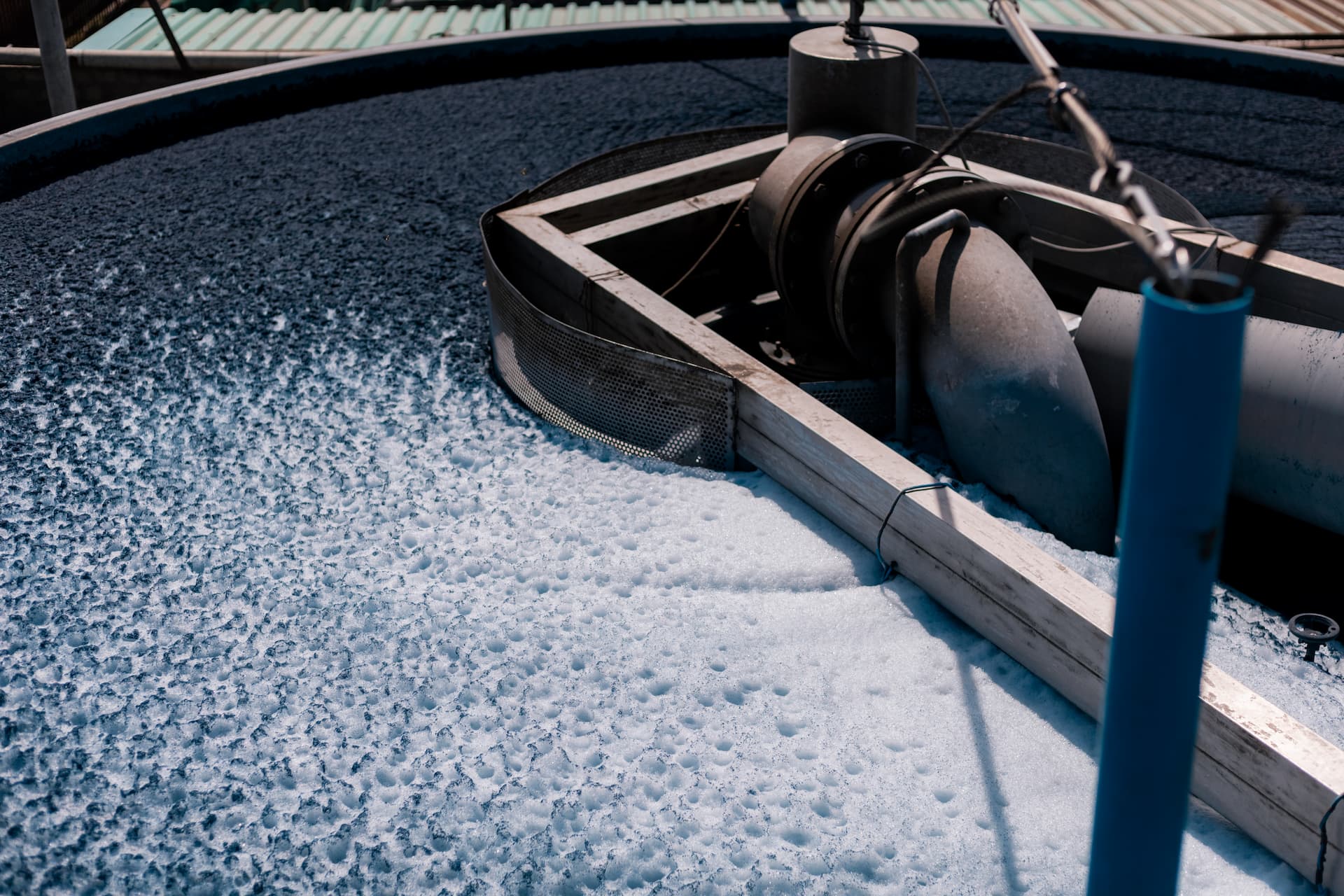
- Water Conservation: The process requires less water as it doesn't necessitate multiple washes, leading to less waste and reduced wear on machinery.
- Recyclability: Enzymes can be recycled and reused, further enhancing sustainability.
- Improved Aesthetics and Feel: Enzymatic treatment results in denim and garments with a softer feel and a better overall appearance.
- Increased Productivity: Eliminating pumice stones boosts the washing load capacity.
- Efficiency: Cellulase enzymatic treatment removes the time-consuming step of cleaning stone fragments from denim jeans.
- Fewer After-Washes: The number of subsequent washes needed is significantly reduced.
The Enzyme Washing Process in Detail
Temperature is a critical factor in the enzyme treatment process, as enzyme activity is highly sensitive to temperature ranges. Within the optimal range, increasing temperature can enhance colour fading by hydrolyzing more fibres, which are then removed through abrasion.
Mechanical action also contributes to the colour fading effect in enzyme washing. Fabric treated without agitation may result in better colour fading and a softer feel, as weakened fibres are not removed, leading to a more hairy or fuzzy surface. Conversely, strong mechanical agitation leads to an effect called biopolishing, where weakened fibres are thoroughly removed, producing a smoother and cleaner surface.
Prolonged treatment time is necessary for further cellulose degradation and increased colour fading. Longer treatment with cellulase heavily hydrolyzes cotton fibrils, producing fabric that is less fuzzy than the original.
Flow Chart of Enzyme Wash Process
The enzyme treatment process involves the hydrolysis of cellulase enzymes, which catalyses the loosening of surface fibres. These loosened fibres are then removed through abrasion, either fabric-to-fabric or fabric-to-stone, during the washing process. Temperature and pH are crucial and must be specific to the enzyme used.
Here is a step-by-step breakdown of the enzyme wash treatment:
- 1Denim fabric or garment loading
- 2Desizing or starch-washing removal
- 3Rinse two times
- 4Insertion of enzyme for washing
- 5Adjusting enzyme pH
- 6Setting temperature according to enzyme type
- 7Tumbling wash time (depends on desired shade/effects)
- 8Rinse two times
- 9Softening agent application
- 10Unloading
- 11Drying process
1. Desizing
This initial step removes dust and other impurities from garments or denim fabric and acts as a wetting agent. Follow with a second wash with cold water.
2. Bio-abrasion
In this step, enzymes are added to remove colour and achieve faded denim. If more fading is desired, stones can be added at half the volume of the garments. Follow with a second wash with cold water.
3. Back Wash
This step removes all deactivated enzymes and released colouring material from the denim or garments. The fabric is then dyed again through a rinse wash.
4. Additional Bleaching (Optional)
This step is performed if extra fading is needed. Chemicals are used to prevent a yellowing effect on the denim. Finally, the garment is loaded into a hydro extractor and then to a dryer.
Frequently Asked Questions
How are enzymes used in the jeans industry?
Enzymes break down cellulose fibre ends on the jeans' surface and loosen dye particles, creating a vintage or weathered appearance. These enzymes are used in water at specific temperatures and pH levels to achieve the desired faded effects.
What chemicals are used in denim washing?
Common chemicals used in denim washing include anti-back staining agents, detergents or soaping agents, soda ash, hydrogen peroxide, bleaching agents, laundry enzymes, sodium metabisulfite (meta), and sodium thiosulfate (hypo).
How is enzyme washing done?
Enzymes degrade cellulose surface fibres, causing them to loosen along with dye particles. These loose particles and fibres are then removed by abrasion between the fabric itself or between the fabric and stones during the enzymatic washing process. Temperature and pH are precisely controlled for the specific enzyme used.
Why is acetic acid used in enzyme baths?
Acetic acid is used to neutralise the pH of the garments or fabric, controlling the pH value during the wash process. The temperature and pH are kept specific to the enzyme's requirements.