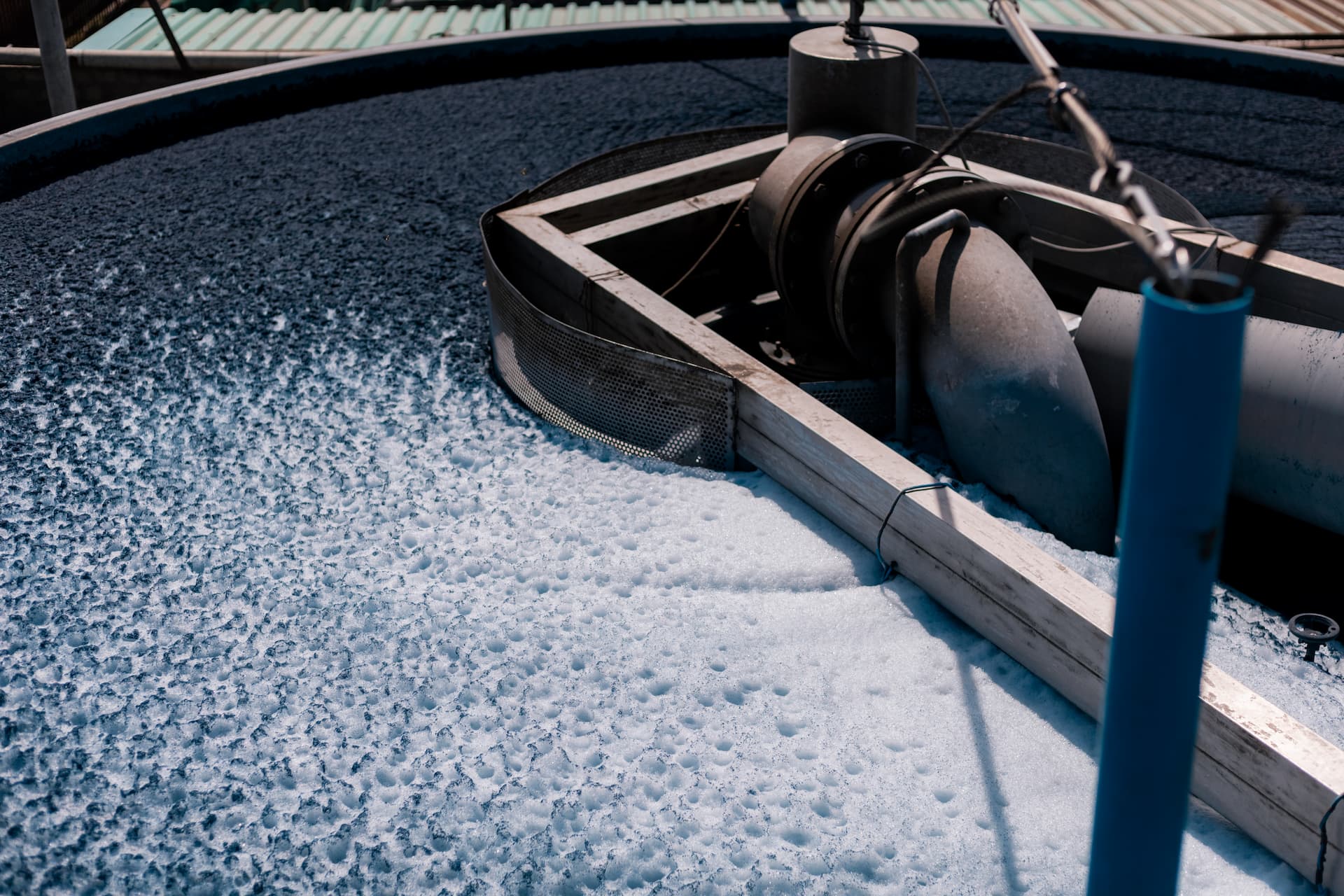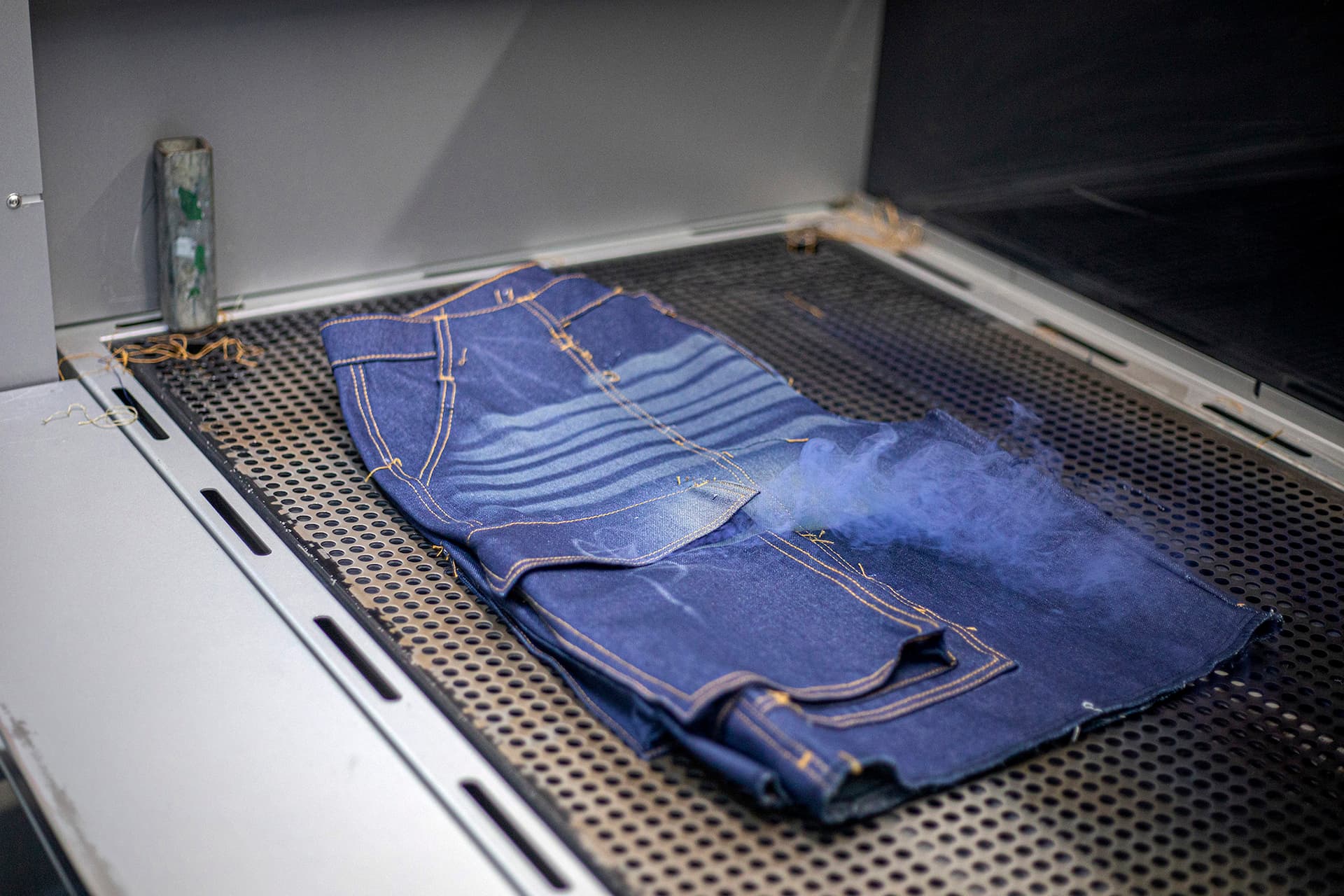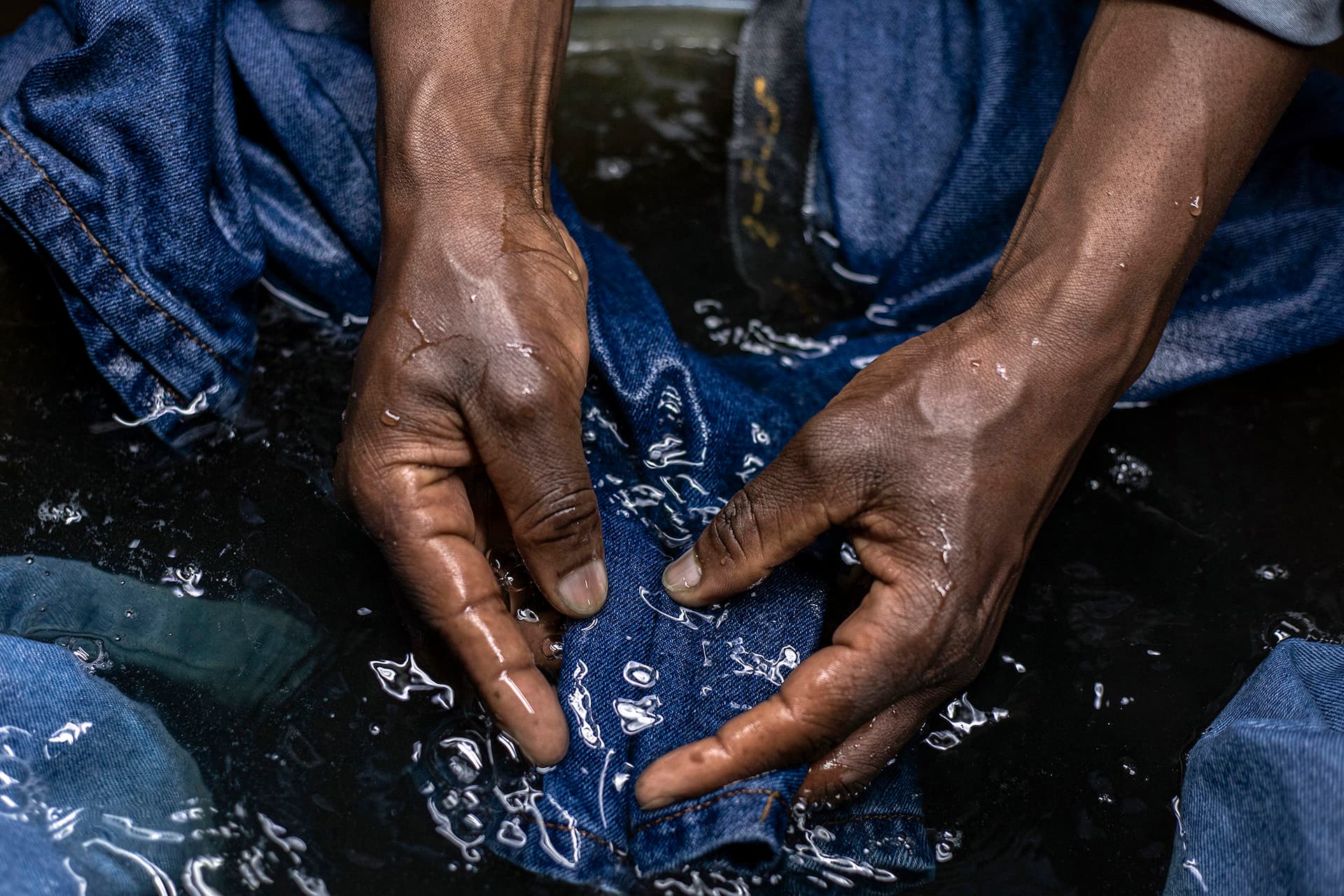
Ozone washing, also known as ozone laundry or e-flow technology, is an innovative and sustainable method gaining traction in the textile industry. This process leverages ozone gas as a powerful oxidising agent to replace traditional chemicals like bleach and detergents, significantly improving cleanliness, efficiency, and sustainability in laundry operations.
Ozone is generated by passing oxygen through a high-voltage electrical discharge or a UV light source. This process creates a third oxygen atom that combines with other oxygen molecules to form ozone.
This technology has diverse applications, from hospitality and healthcare facilities to sports clubs and gyms, where hygiene is paramount. It's also growing in popularity among environmentally conscious consumers for household use.
How Ozone Washing Works in Denim Production
In denim finishing, ozone washing (also called ozone fading) is a revolutionary technique for achieving faded and distressed effects. It uses ozone gas and water instead of conventional washing methods, leading to reduced water and energy consumption, and less chemical waste.
To implement ozone washing, the right equipment is essential. Ozone generators are crucial, as they produce and deliver the necessary ozone gas to denim garments during washing. These generators convert oxygen into ozone, which possesses strong oxidising properties vital for bleaching and fading denim.
Safety measures are paramount when working with ozone gas. Proper ventilation systems must be in place to prevent health risks from inhaling excessive ozone.
Before washing, prepare the denim garments by properly loading them into industrial washing machines specifically designed for ozonated washes. It's best to sort garments by colour intensity and fabric type, as different denims may react differently to the treatment.
Adjusting temperature and humidity can optimise results. Lower temperatures generally yield better outcomes, as higher temperatures can increase oxidation rates, potentially leading to excessive creasing or wrinkling.
During the washing process, using detergent is optional but generally discouraged, as a primary benefit of ozone washing is reducing reliance on traditional chemicals. Water saturated with dissolved ozone is introduced into the machine through specialised nozzles, ensuring effective distribution of the gas. The ozone then reacts with the indigo dye in the denim, causing oxidative fading and distressing.
After the ozonated wash cycle, it's critical to ventilate and neutralise any residual ozone within the machine before unloading. Post-treatment steps like rinsing, softening, drying, and finishing should follow standard industry practices.
Advantages of Ozone Washing
- Potent Disinfectant: Ozone effectively kills bacteria, viruses, moulds, and mildew on clothing. Unlike traditional detergents that can leave residues, ozonated water decomposes back into ordinary oxygen, leaving no harmful traces.
- Enhanced Cleaning Efficiency: Ozone's strong oxidation properties and ability to break down complex organic compounds found in stains and dirt significantly improve cleaning compared to conventional methods, allowing for shorter wash cycles while maintaining high-quality results.
- Reduced Water and Energy Consumption: Most loads can be washed at lower temperatures, as ozone efficiently removes stubborn stains even in cold water. This temperature reduction saves energy and extends fabric lifespan by minimising wear from high heat exposure.
- Improved Colour Retention: Compared to chlorine-based bleaching agents, ozonated water helps prevent textiles from fading, yellowing, and degrading, thereby extending the lifespan of clothing items.
Conclusion
Ozone wash represents a significant advancement in modern laundering, offering enhanced cleanliness while addressing environmental concerns related to excessive chemical use and resource depletion. Its ability to effectively disinfect fabrics while maintaining cleaning efficiency makes it a valuable tool for industries seeking sustainable and innovative solutions.
Mastering ozone washing enables manufacturers to meet consumer demands for trendy jeans while contributing to a more environmentally conscious textile industry.